
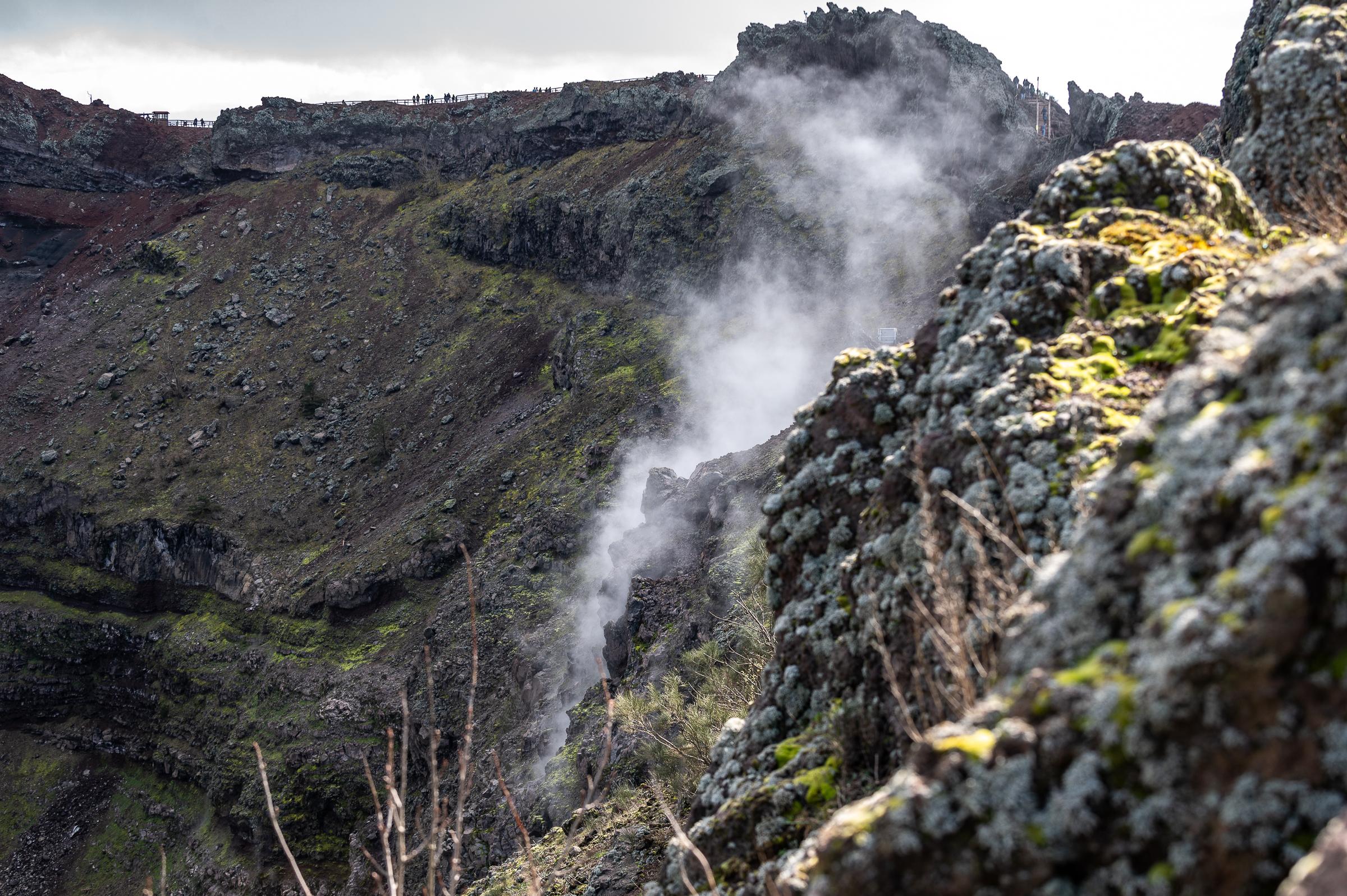
3 hr 30 min
Pompeii & Mount Vesuvius Tour with Pizza Lunch from Naples
Discover ancient ruins and climb an active volcano on this guided expedition from Naples
Reserve
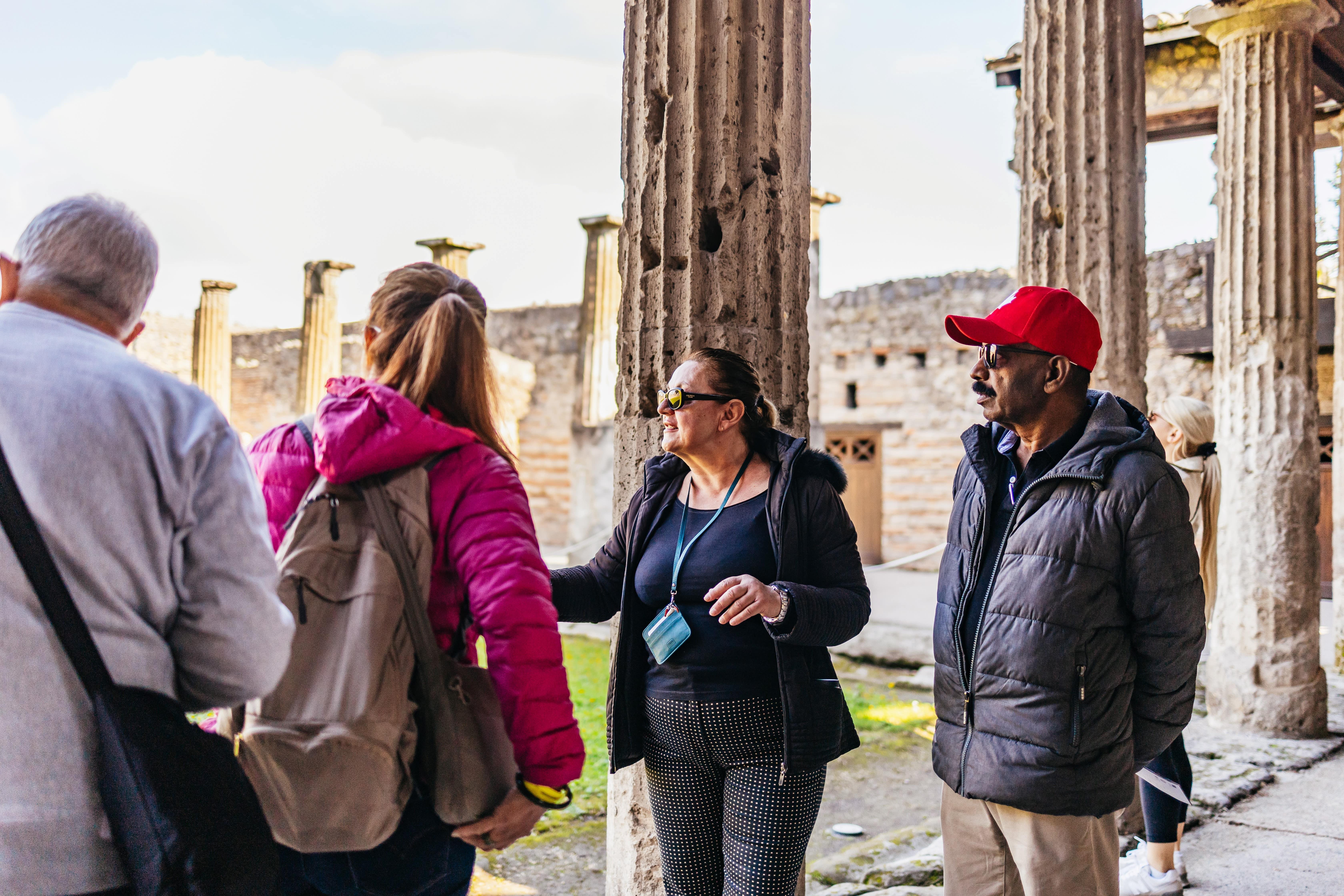
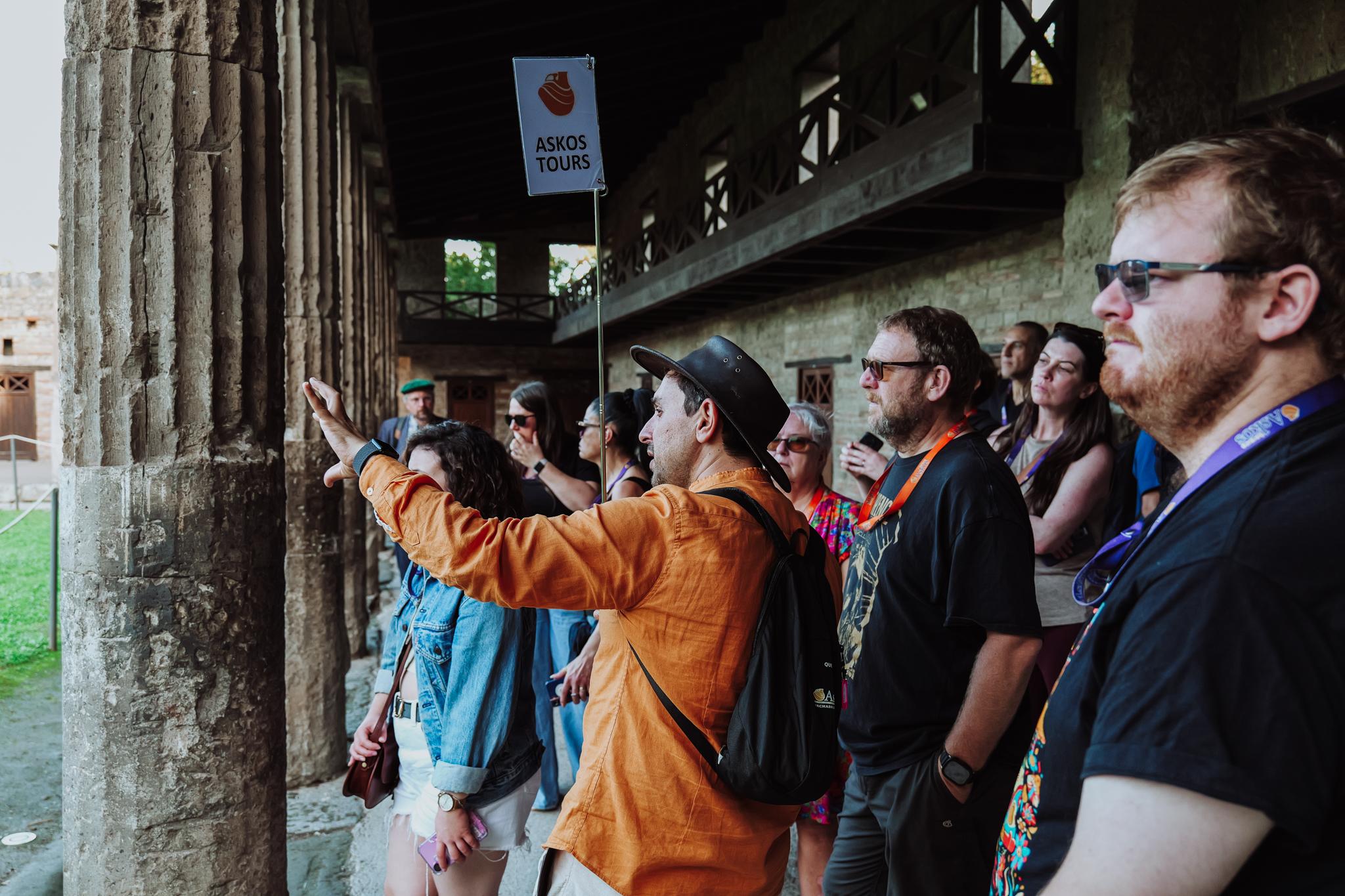
Hand-picked by our editors — only the best 5 experiences from 47 reviewed.
Verified partners for every tour, free cancellation where available, and instant confirmation on every booking.
3 hr 30 min
Discover ancient ruins and climb an active volcano on this guided expedition from Naples
Reserve
3 hr 30 min
Skip the queues and explore ancient Pompeii with an expert guide on this hassle-free excursion from Naples
Reserve
11 hr
Journey through two ancient Roman cities frozen in time by the eruption of Mount Vesuvius in AD 79
ReservePrices from verified partners. Availability updates in real time at checkout. Free cancellation policies apply where shown.
The landmarks, rooms, and views travelers on this tour remember — all visible on a single visit.
An ancient religious structure featuring well-preserved columns and a central altar. It is one of the oldest buildings in the city.
A significant site known for its original erotic wall paintings. It provides unique insight into Roman social history.
The primary square of Pompeii serving as the center for politics and religion. It offers views of Mount Vesuvius.
A lavishly decorated residence showcasing exquisite frescoes and a large peristyle garden.
A suburban villa renowned for its wall-sized fresco cycle depicting secret rituals.
They complement each other; most visitors who do both call Herculaneum the more intimate experience, while Pompeii offers the larger historical perspective. Selecting the right tours from naples to pompeii and herculaneum tour ensures you balance site scale with available energy.
| Feature | Top pick Pompeii | Herculaneum |
|---|---|---|
Site Size |
Large urban complex | Compact residential town |
Preservation Style |
Atmospheric streetscapes | Organic material intact |
Time Required |
4–6 hours | 2–3 hours |
Walking Intensity |
High due to scale | Moderate level terrain |
Crowd Levels |
Very high peak season | Generally lower volume |
| See tickets → |
Verdict: If you prioritize deep immersion in a manageable area, Herculaneum is superior, whereas Pompeii is the choice for those seeking the full scale of these UNESCO heritage landmarks with their respective tours from naples to pompeii and herculaneum tickets.
Choose your ticket, select your date, and reserve in under two minutes. Secure checkout handled by our verified partner.
Instant confirmation by email, with a mobile voucher you can save offline. No printing, no queuing at a collection desk.
Arrive at the entrance, show your voucher on your phone, and walk in. Most tickets include priority or skip-the-line access.
Practical details for your visit straight from our verified partners — hours, access, rules, and how to get there.
Via Villa dei Misteri, 2
Primary meeting point for tours from naples to pompeii and herculaneum
Take the Circumvesuviana train from Naples to Pompei Scavi-Villa dei Misteri.
Follow A3 motorway toward Salerno and take the Pompei Ovest exit.
Wear comfortable walking shoes suitable for uneven cobblestone streets. Light, breathable clothing is recommended for tours from naples to pompeii and herculaneum during warmer months.
Large backpacks and bulky luggage are prohibited inside the archaeological site. Visitors may use lockers available at the entrance before starting their tours from naples to pompeii and herculaneum.
Personal photography is permitted throughout Pompeii for non-commercial use. Tripods and professional equipment require prior authorization.
Portions of the site are accessible, though ancient surfaces present challenges for mobility. Dedicated routes have been established to assist visitors on tours from naples to pompeii and herculaneum.
The site is expansive, so strollers should be compact and all-terrain if possible. Tours from naples to pompeii and herculaneum often involve significant walking, which may tire young children.
Picnic areas are available within the perimeter. Guests should bring water, as vendors are limited inside the ruins of this historic roman city.
Via Villa dei Misteri, 2
Primary meeting point for tours from naples to pompeii and herculaneum
Get directionsBest time to go, insider tips, nearby landmarks, and the cancellation fine print — flip through to skim what matters to you.
How crowds, weather, and events shift across the year.
Mild temperatures and blooming flowers make this a peak season. Expect larger crowds during April and May.
Very hot and sunny. Arrive early to avoid afternoon heat and peak tour bus arrivals.
Cooler weather provides a comfortable climate. Excellent for detailed exploration of the ruins.
Fewest crowds and lower prices. Some areas may have reduced hours due to daylight limitations.
Small details that turn a good visit into a great one.
Secure your tours from naples to pompeii and herculaneum tickets well in advance to ensure availability.
Carry a refillable water bottle as the sun exposure on the site is high.
Use the official map to navigate between sectors efficiently.
Temperatures can shift between shade and exposed stone areas.
Follow the best arrival window of 09:00–11:00 to avoid peak crowds.
Non-bookable sights within a short walk — free to visit, easy to pair.
A sacred site featuring bronze statues and columns. It remains a focal point near the Forum.
Famous for its intricate cycle of frescoes depicting Dionysian rites. Located just outside the city walls.
The ancient covered market used for selling produce. Features remnants of central pedestals.
Flexible, no hidden fees.
Full refunds are available for cancellations made within the specified operator window. The standard entrance fee of 18 EUR is subject to the park's specific site policies.
Hand-picked options within walking distance — pick a district for vibe, or a specific hotel for convenience.
Comfortable lodging located near the main archaeological entrance.
Family-operated accommodation within walking distance of the gates.
High-end hotel providing shuttle services to the ruins.
When Vesuvius erupted on 24 August AD 79, pyroclastic surges reached temperatures of 300°C and buried Pompeii under six metres of pumice and ash within hours. Herculaneum, closer to the volcano, vanished beneath a 25-metre flow of superheated mud that carbonised wooden beams and preserved organic matter with forensic precision. The disasters created the most complete snapshots of Roman urban life ever recovered — bakeries with loaves still in the ovens, laundry shops with amphorae of urine for bleaching cloth, electoral graffiti naming candidates for aedile. Pompeii remained a metropolitan-scale site with 66 hectares open to the public, its insulae revealing class stratification through architecture: the House of the Faun spans 3,000 square metres with twin atria and an Alexander mosaic floor, while cramped tabernae near the forum housed textile workers and garum merchants. Herculaneum, smaller but richer in detail, preserves two-storey houses with intact frescoes, the Villa of the Papyri's carbonised library, and 300 skeletons sheltered in boathouses during the eruption. Conservation teams have stabilised the House of the Bicentenary's wooden partition walls and the Suburban Baths' original stucco — elements that would have disintegrated in Pompeii's coarser volcanic matrix. Today, tours from Naples to Pompeii and Herculaneum span both sites in a single day, addressing the logistical challenge of visiting ruins separated by 13 kilometres but unified by catastrophe. Transport eliminates the Circumvesuviana's unpredictability, and priority access bypasses Pompeii's entrance queues that stretch past the Porta Marina by mid-morning in high season. Guides decode the cities' overlapping timelines — Pompeii founded in the 6th century BC by the Oscans, Herculaneum a patrician resort town rebuilt after the AD 62 earthquake — and contextualise the eruption sequence using volcanological data and Pliny the Younger's eyewitness account. The dual-site structure exposes contrasts: Pompeii's grid planning and public amphitheatre versus Herculaneum's terraced villas and intimate thermopolium counters still stained with food residue. Both sites close at 19:00 in summer, their last entry at 17:30, limiting afternoon tours to partial itineraries.
"The disasters created the most complete snapshots of Roman urban life ever recovered — bakeries with loaves still in the ovens, laundry shops with amphorae of urine for bleaching cloth, electoral graffiti naming candidates for aedile."
A step-by-step walkthrough of the visit — what you'll see, how long each stage takes, and the details that matter.
You meet your group near Naples' Piazza Garibaldi at 08:30, boarding an air-conditioned coach that bypasses the commuter rail's delays. The first stop is Pompeii's Porta Marina entrance, where priority tickets let you pass the general-admission line and enter through the western gate reserved for guided tours. Your escort leads you down the Via dell'Abbondanza, pausing at the Stabian Baths to explain the caldarium's hypocaust heating channels and the palaestra's columned courtyard. You photograph the plaster casts in the Garden of the Fugitives — 13 figures frozen mid-flight — then continue to the forum, where Vesuvius dominates the northern skyline exactly as it did in antiquity. After 90 minutes, the coach departs for Herculaneum, 20 minutes south. The site occupies a seaside cliff, its ancient waterfront now 400 metres inland due to volcanic debris. You descend wooden ramps into the excavation trench, walking beneath the modern town of Ercolano. The House of Neptune and Amphitrite preserves its glass mosaic nymphaeum intact, cobalt and gold tesserae undimmed. You finish at the boathouses, where vaulted chambers sheltered fleeing residents whose skeletons remain displayed in situ, a reminder that 15 minutes separated survival from entombment when the surge arrived.
The site is open daily from 09:00–19:00.
Booking tours from naples to pompeii and herculaneum tickets early is highly recommended to bypass queues.
There is no strict dress code, but comfortable walking shoes are essential for the uneven surfaces at Pompeii.
Yes, limited luggage storage is available at the entrance of the archaeological site.
The standard entrance fee is 18 EUR for foreign adult visitors.
We recommend an arrival window of 09:00–11:00 to avoid peak crowds and afternoon heat.
Yes, the site is family-friendly, though the terrain can be challenging for strollers during tours from naples to pompeii and herculaneum.
You may bring water and small snacks, but please use designated picnic areas.
You can take the Circumvesuviana train from Naples to the Pompei Scavi station.
Yes, non-commercial photography is permitted throughout Pompeii.